Material Deep Dive

Quartzite Countertops in New Hampshire

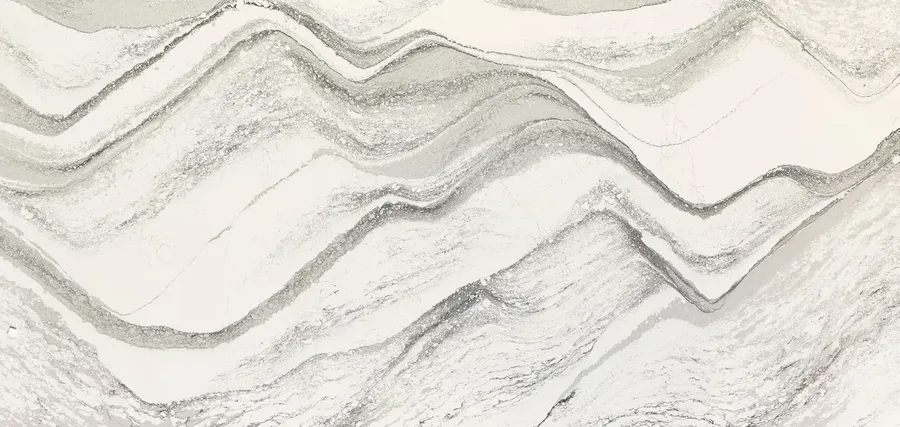
Marble's movement, granite's muscle. Everything you need to know before choosing quartzite for your kitchen, bath, or vanity project.

Mohs Hardness
7–8
Scratch resistance rating
Heat Resistance
Excellent
Porosity / Sealing
Low (seal yearly)
Best For
Kitchens & baths that want dramatic veining
What It Is

Where quartzite comes from.

Quartzite starts as sandstone, then undergoes intense heat and pressure deep in the earth — the same kind of metamorphic process that turns limestone into marble. But because sandstone is mostly quartz grains to begin with, the result is fundamentally different: the individual quartz grains fuse together into an interlocking crystalline mass, so dense that a break runs straight through the crystals rather than around them (this is actually how geologists tell true quartzite from sandstone).
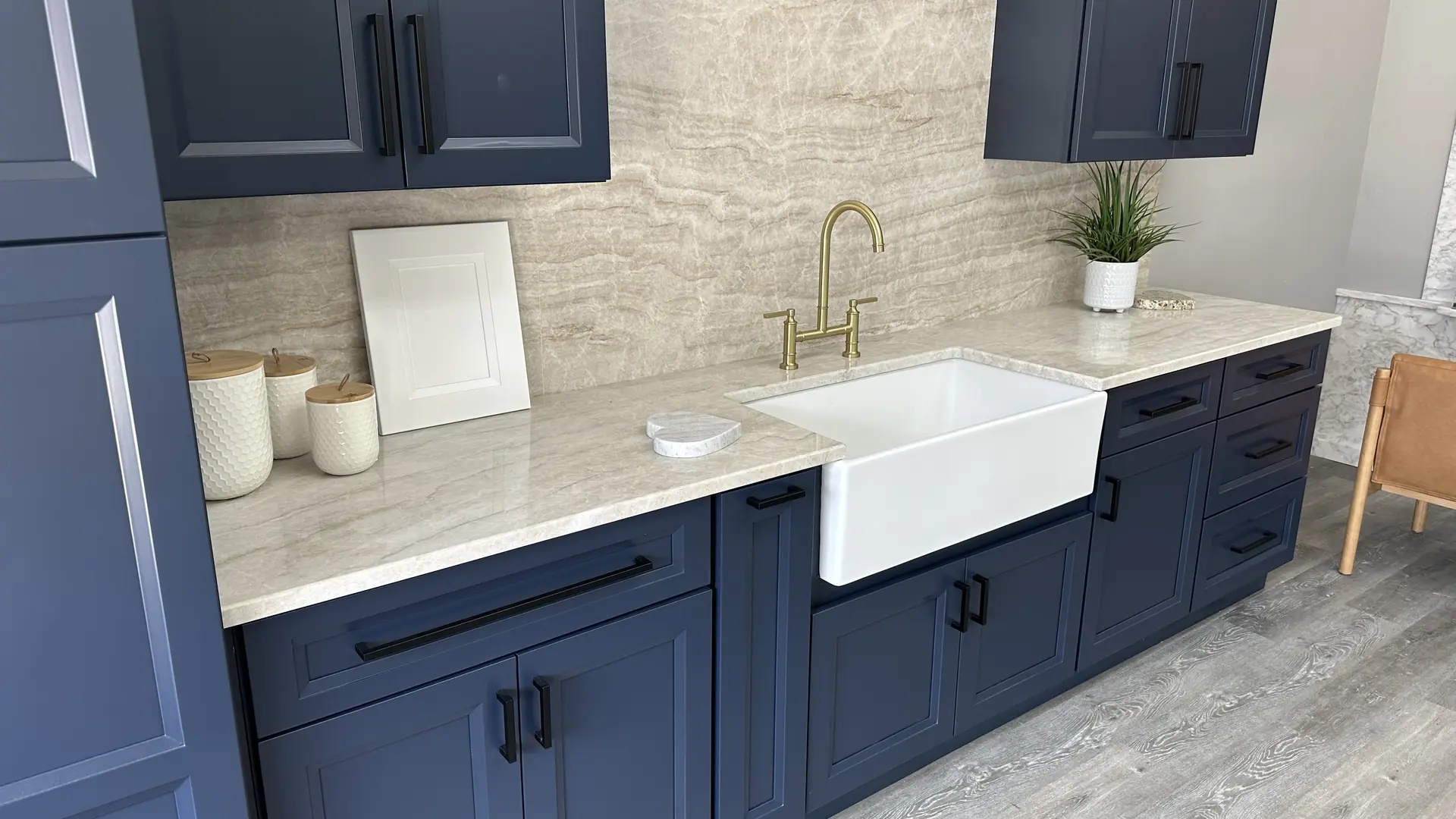
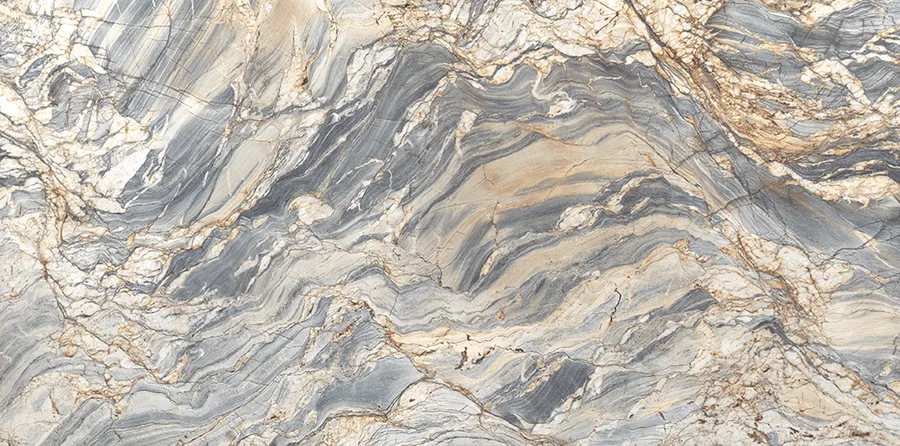
Quartzite countertop
Durability

How it holds up.

That fused structure gives quartzite a Mohs hardness around 7 to 8 — on par with or harder than granite, and among the hardest natural stones used for countertops anywhere. It resists scratching exceptionally well and, being almost entirely silica, doesn't react to acids the way marble's calcite does, so it resists etching too. It's worth noting the material sold as "quartzite" varies by quarry — some slabs marketed that way are closer to a dolomitic marble. Ask to see the actual slab and, if durability is the priority, ask directly about its hardness.

Care & maintenance: Quartzite still benefits from annual sealing to guard against staining, but day-to-day care is straightforward: mild soap, a soft cloth, no special precautions needed for acidic foods the way marble requires.
Weighing It Up

Pros & cons.

What we love

  • Among the hardest natural stones available — excellent scratch resistance
  • Resists acid etching, unlike marble
  • Dramatic natural veining and movement
  • Handles heat with ease, being fully natural stone

Worth knowing

  • Premium material — typically priced above granite
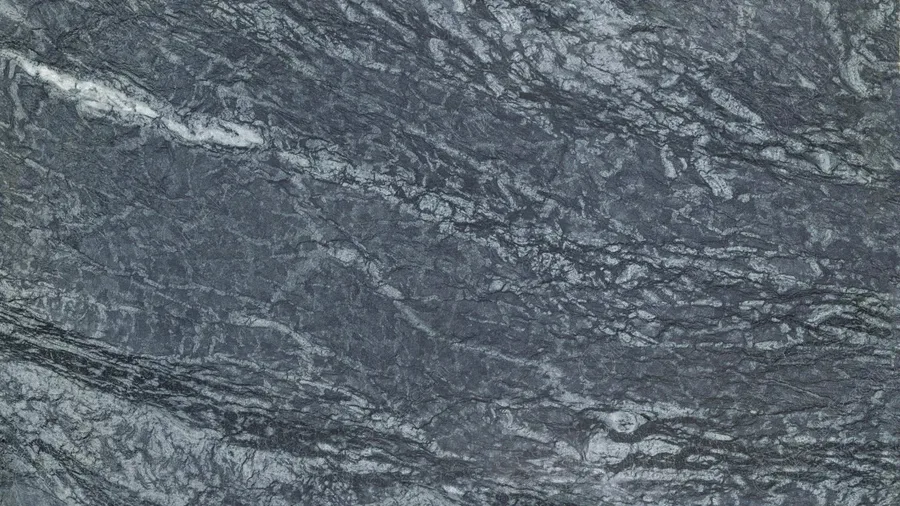
  • Slab-to-slab variation means in-person selection matters
  • Some stones sold as 'quartzite' are actually softer dolomitic marble — verify what you're buying
  • Still benefits from periodic sealing
Common Questions

Quartzite FAQ.

Is all 'quartzite' actually quartzite?
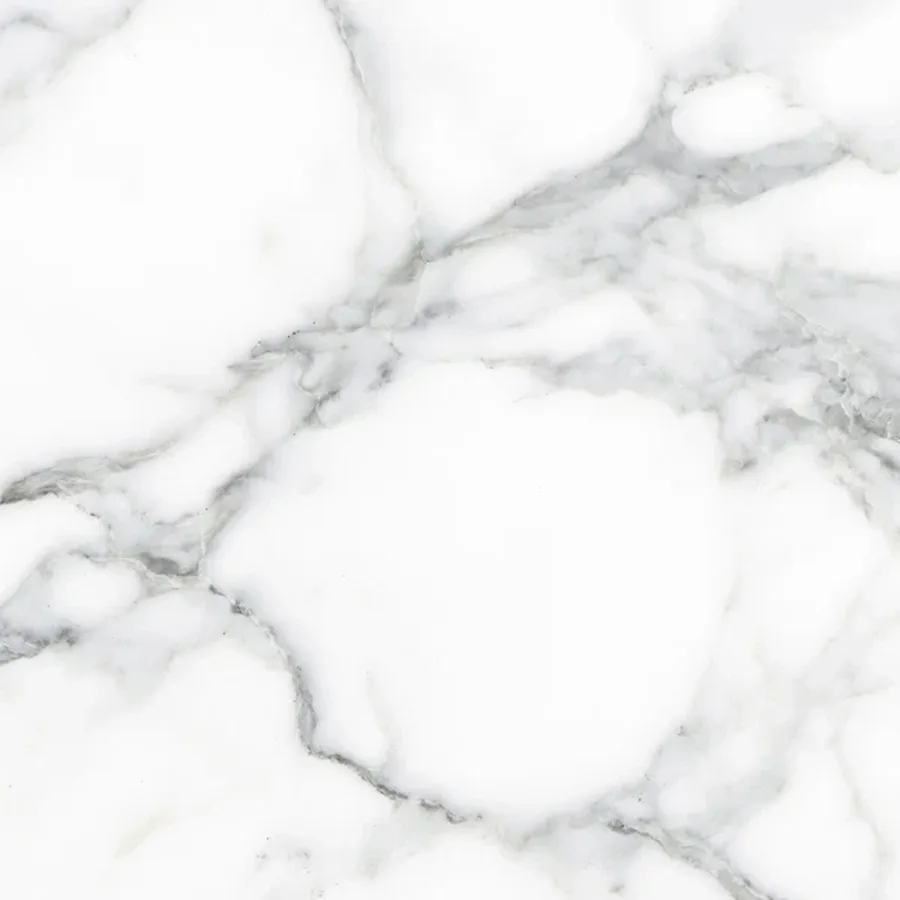
Not always — the name gets used loosely in the stone trade for some dolomitic marbles that resemble true quartzite visually but are considerably softer. If hardness matters to your decision, ask us to confirm what a specific slab actually is before you commit.
Is quartzite more durable than granite?
True quartzite typically tests as hard or harder than granite on the Mohs scale, and it resists acid etching better since it lacks granite's trace reactive minerals. Both are excellent choices; quartzite tends to cost more.
Does quartzite etch like marble?
No — quartzite is composed almost entirely of silica rather than calcite, so it doesn't react to acidic spills the way marble does. This is one of quartzite's biggest practical advantages over marble for a busy kitchen.
Compare Materials

Other stone options.

Comparing quartzite against Granite, Quartz, Marble, Soapstone, Remnants? See the full side-by-side on our materials page, or explore each below.

See Full Materials Comparison →
Serving the Monadnock Region

Quartzite countertops near you.

We fabricate and install quartzite countertops and vanity tops throughout the Keene area.

Request a Quote

Get pricing for quartzite countertops.

Tell us about your project and we'll respond within one business day with an honest, itemized estimate.
Quote requests are routed to sales@poshhaus.com. Your number will not be shared with third parties for marketing.

Reach Us Directly

Prefer to call or email?

  • Call: 844-438-7674 (toll-free) or 603-795-0100
  • Email: sales@poshhaus.com
  • Address: 104 Emerald St, Keene, NH 03431
  • Hours: Mon–Fri 9am–4pm, Sat by appointment
PoshHaus Stone showroom