What is the difference between granite and quartz?
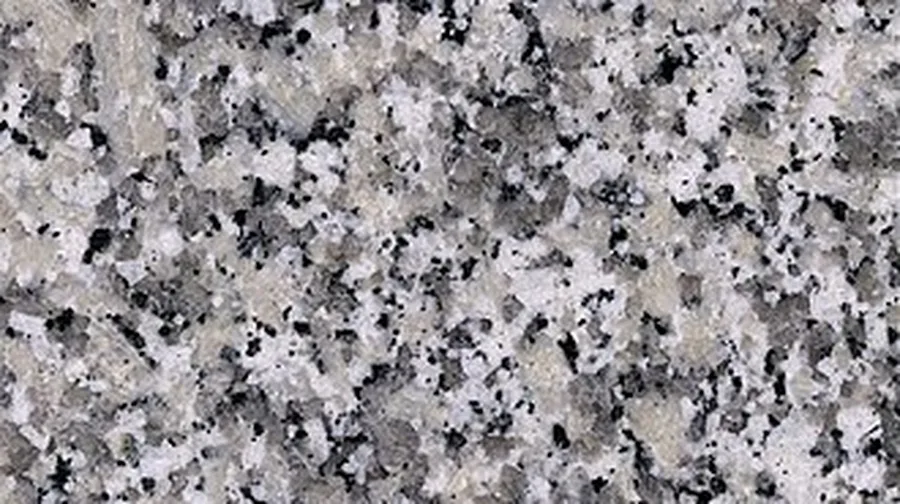
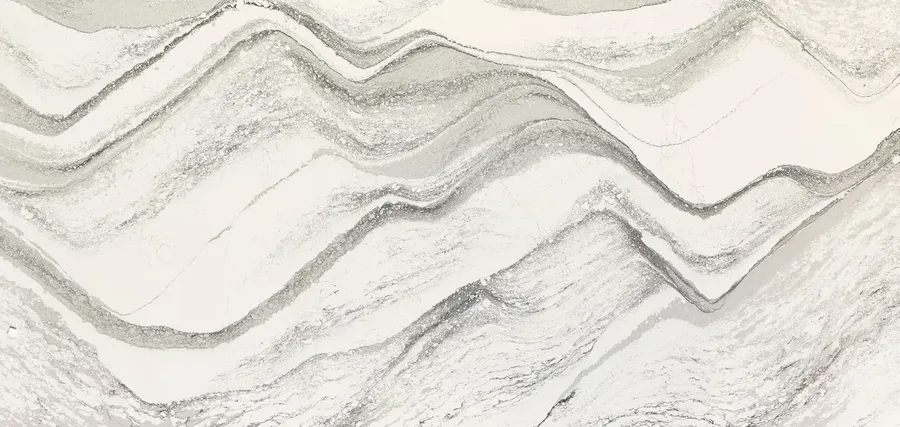
Granite is 100% natural stone, quarried and cut, so every slab is genuinely one-of-a-kind and needs annual sealing. Quartz is engineered from crushed quartz and resin, giving consistent color and pattern with zero sealing required. Both are hard, durable, and excellent kitchen materials — the right choice depends on your priorities.
How long does a countertop installation take?
Most projects are complete within 1–2 weeks from digital templating to final installation. The material selection process beforehand can take as little or as much time as you need.
Do granite countertops need to be sealed?
Yes, typically about once a year, depending on the specific stone's porosity and how the kitchen is used. It's a quick, inexpensive process — we offer resealing as a standalone service if you're not up for DIY.
Does quartz need to be sealed?
No — quartz is engineered to be non-porous, so sealing is never part of its maintenance.
How do I get a price for new countertops?
Start with a free consultation, either by phone or at our Keene showroom. We'll talk through your project, and pricing depends on material, square footage, edge profile, and cutout complexity — we give real, itemized quotes, not vague online estimates.
Can you repair a chipped or cracked countertop?
In most cases, yes. Chips, cracks, stains, and etch marks are usually repairable at a fraction of replacement cost. Send us a photo and we'll give you an honest assessment — including telling you if replacement is genuinely the better call.
What edge profiles do you offer?
Eased, beveled, bullnose, half bullnose, ogee, Dupont, and waterfall mitered edges are all available, across any of our eleven materials.
Can I use quartz outdoors?
We don't generally recommend standard quartz for uncovered outdoor kitchens, since its resin binder isn't fully UV-stable over years of direct sun. Granite, quartzite, Dekton, or porcelain are better outdoor choices.
How do I care for marble countertops?
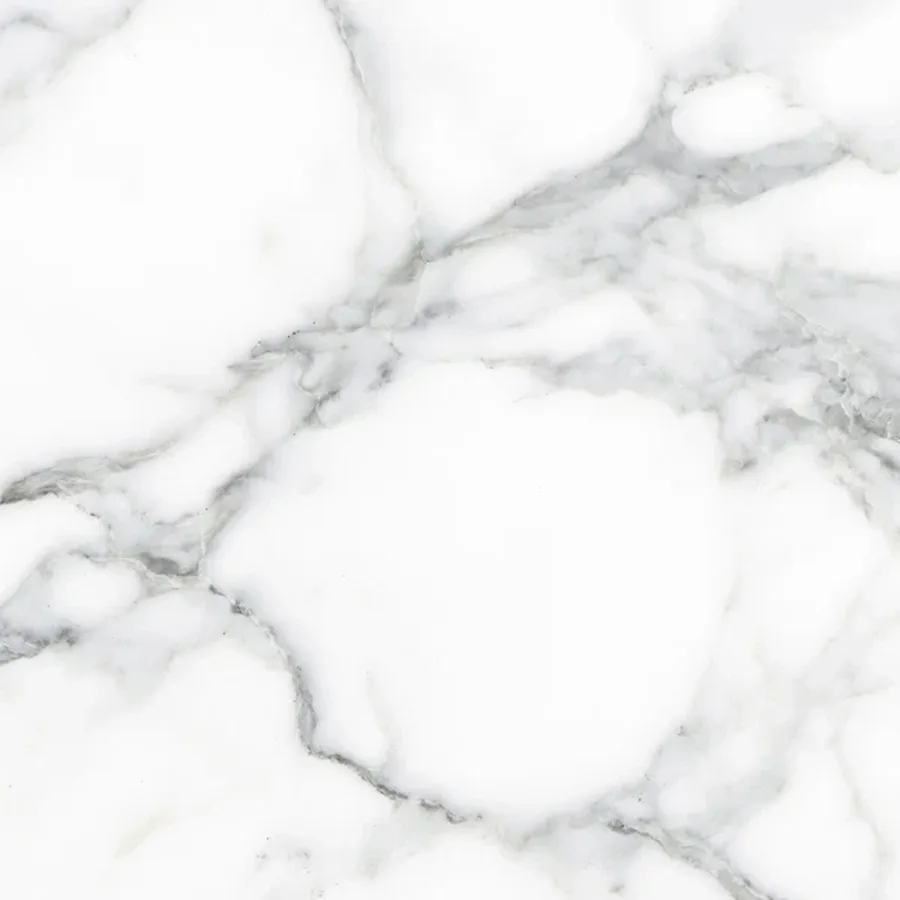
Use pH-neutral cleaners only, wipe up acidic spills (wine, lemon, vinegar) promptly to avoid etching, and reseal on a regular schedule. A honed finish hides both scratches and etching better than a polished finish.
What sink types work with stone countertops?
Undermount, drop-in, farmhouse, and vessel sinks are all compatible with our materials — we'll confirm the cutout details during digital templating based on your specific sink.
Do you work with builders and contractors?
Yes — we offer trade and volume pricing, schedule-matched delivery, and a dedicated point of contact for builders, GCs, and designers with recurring or multi-unit projects.
What areas do you serve?
We serve the Monadnock Region from our Keene, NH showroom, covering close to 50 towns across New Hampshire, Vermont, and Massachusetts within about 40 miles. See our full service area on the About page.
Can I visit your showroom?
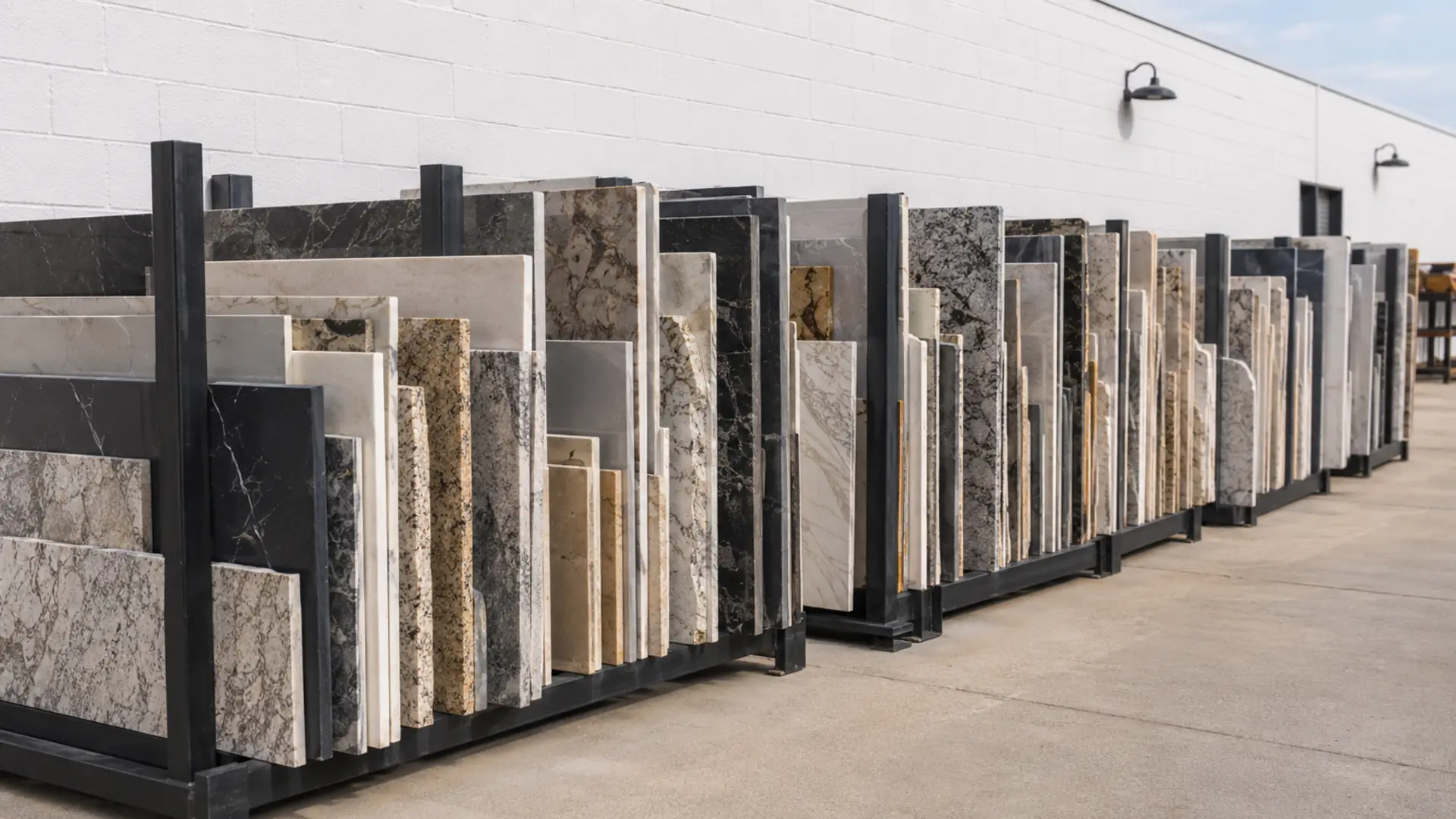
Yes — we encourage it. Seeing and touching actual slabs under real light is the most reliable way to choose a material you'll love for decades. Call or use our contact form to schedule a visit.
Do you offer a warranty on your work?
Yes, fabrication and installation are backed by a workmanship guarantee, and most materials carry their own manufacturer warranty as well. We'll confirm specifics for your project at consultation.
How thick should my countertops be?
2cm and 3cm are the two standard thicknesses for most stone and quartz countertops; 3cm is more common for kitchen islands and areas without extra plywood support underneath. We'll recommend the right thickness for your specific layout.
Do you offer remnants for smaller projects?
Yes — remnants are leftover pieces from larger slabs, offered at a meaningful discount, and are ideal for vanity tops, laundry counters, and small bar tops.