Material Deep Dive

Granite Countertops in New Hampshire

New Hampshire's benchmark for kitchen durability. Everything you need to know before choosing granite for your kitchen, bath, or vanity project.

Mohs Hardness
6–7
Scratch resistance rating
Heat Resistance
Excellent
Porosity / Sealing
Low–moderate (seal yearly)
Best For
Kitchens & high-traffic areas
What It Is

Where granite comes from.

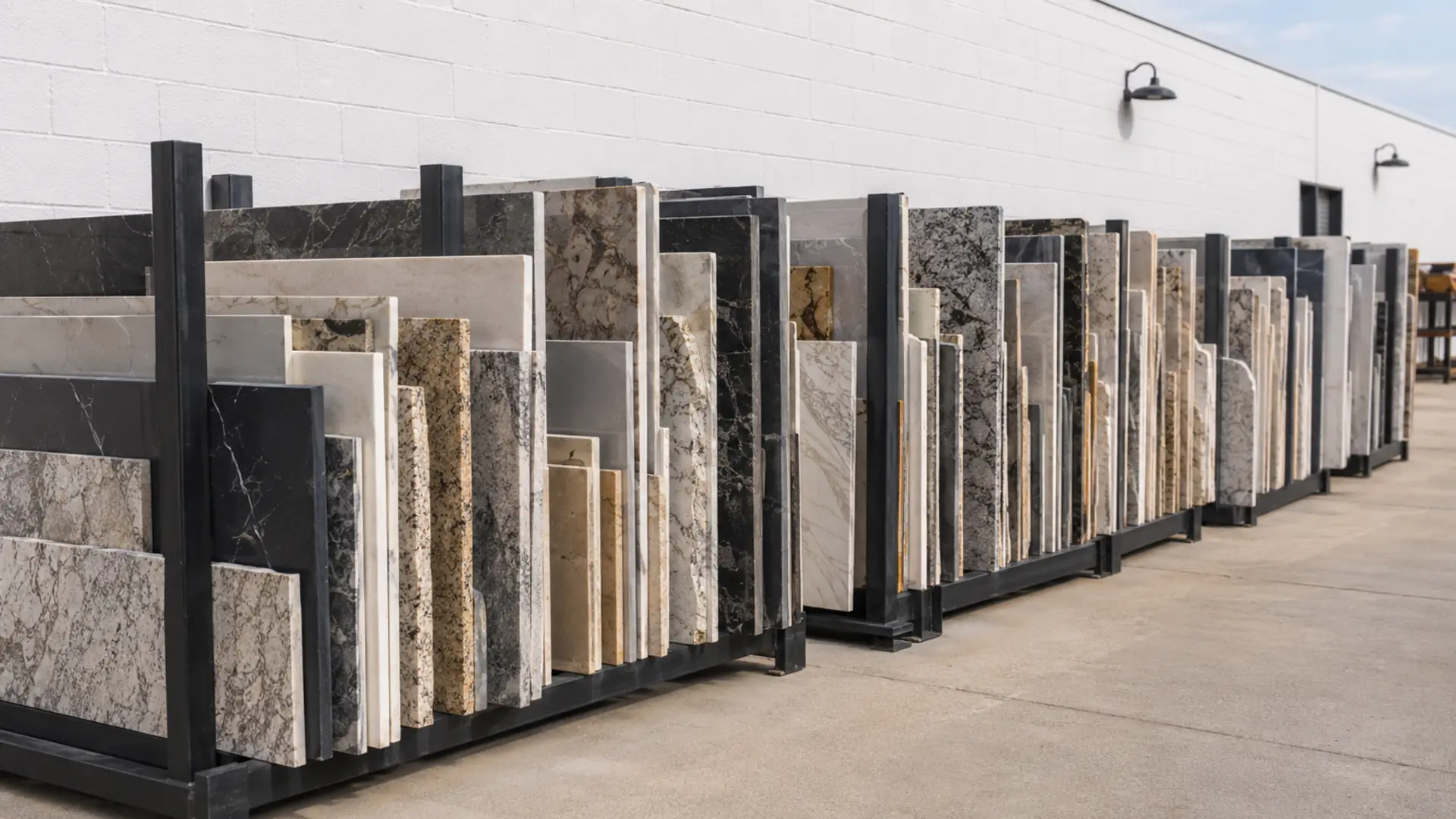
Granite is an igneous rock — it forms as molten magma cools slowly underground, locking quartz, feldspar, and mica crystals into a dense, interlocking structure. That crystalline structure is exactly why granite has been the benchmark kitchen material for decades: the minerals are tightly bound and genuinely hard, not just hard-looking.
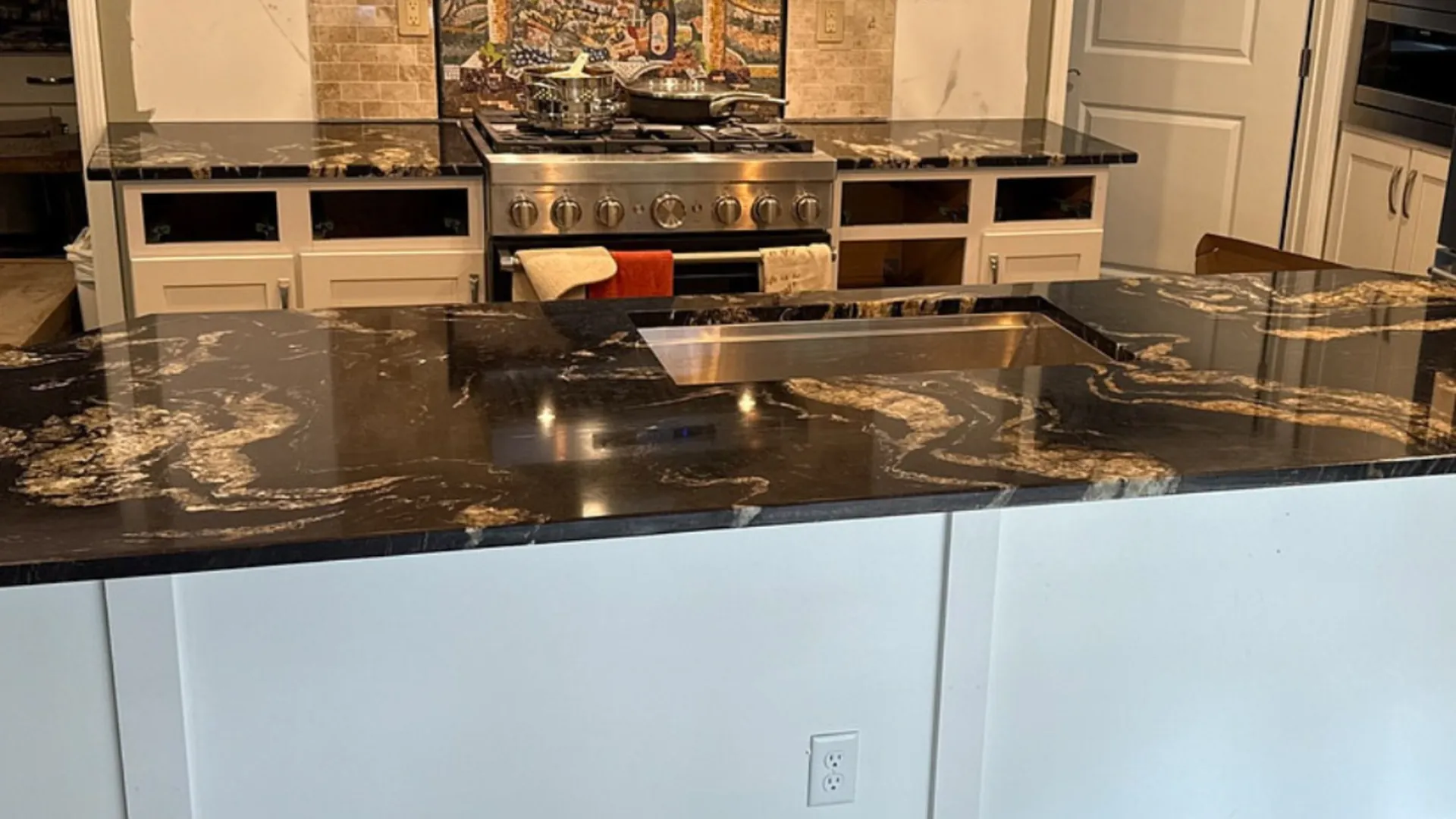
Granite countertop
Durability

How it holds up.

On the Mohs hardness scale, granite typically measures 6 to 7 — harder than a steel knife blade (which sits around 6.5) and hard enough that ordinary kitchen use, from chopping to sliding cast iron, essentially never scratches a properly finished slab. Because granite formed under real geological heat, hot pans are a non-issue in normal use, though a cutting board is still smart — not to protect the counter, but to protect your knife edge.

Care & maintenance: Granite is naturally somewhat porous, so an annual sealing (a quick, inexpensive process) keeps it resistant to staining from oil, wine, and other kitchen spills. Between sealings, a soft cloth and mild soap is all it needs — avoid ammonia-based or highly acidic cleaners, which can wear down the sealer over time.
Weighing It Up

Pros & cons.

What we love

  • Extremely hard — resists scratching from daily kitchen use
  • Genuinely heat-resistant, right off the stovetop
  • No two slabs look alike — real one-of-a-kind character
  • Adds resale value as a recognized premium material

Worth knowing

  • Needs resealing roughly once a year
  • Heavier than engineered stone — requires solid cabinet support
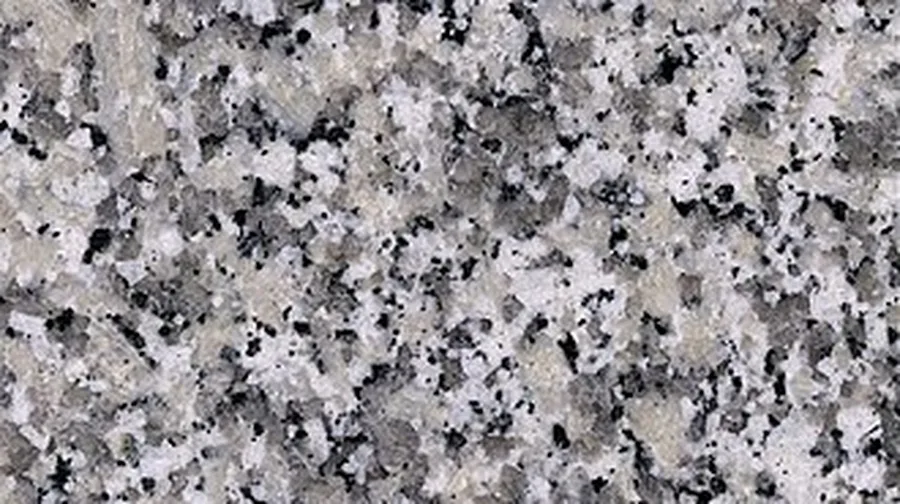
  • Slab-to-slab color variation means you should see your actual slab before committing
  • Can chip at unsupported edges under a hard impact
Common Questions

Granite FAQ.

Does granite really need to be resealed every year?
Most granite benefits from sealing about once a year, though the exact interval depends on the specific stone's porosity and how the kitchen is used. A simple water-bead test — if water stops beading and starts darkening the stone, it's time to reseal — tells you exactly when.
Can granite crack from a hot pan?
Granite formed under real geological heat, so direct heat from cookware isn't a practical concern for the stone itself. The bigger risk is thermal shock at a weak point, like a seam or a thin overhang, so we still recommend trivets for anything straight off the stove.
Is granite better than quartz for a busy kitchen?
It depends on what you're optimizing for. Granite is harder and handles direct heat better; quartz is non-porous and needs no sealing. Both perform well in busy NH kitchens — we'll walk through the tradeoffs for your specific routine at your consultation.
Compare Materials

Other stone options.

Comparing granite against Quartz, Marble, Quartzite, Soapstone, Remnants? See the full side-by-side on our materials page, or explore each below.

See Full Materials Comparison →
Serving the Monadnock Region

Granite countertops near you.

We fabricate and install granite countertops and vanity tops throughout the Keene area.

Request a Quote

Get pricing for granite countertops.

Tell us about your project and we'll respond within one business day with an honest, itemized estimate.
Quote requests are routed to sales@poshhaus.com. Your number will not be shared with third parties for marketing.

Reach Us Directly

Prefer to call or email?

  • Call: 844-438-7674 (toll-free) or 603-795-0100
  • Email: sales@poshhaus.com
  • Address: 104 Emerald St, Keene, NH 03431
  • Hours: Mon–Fri 9am–4pm, Sat by appointment
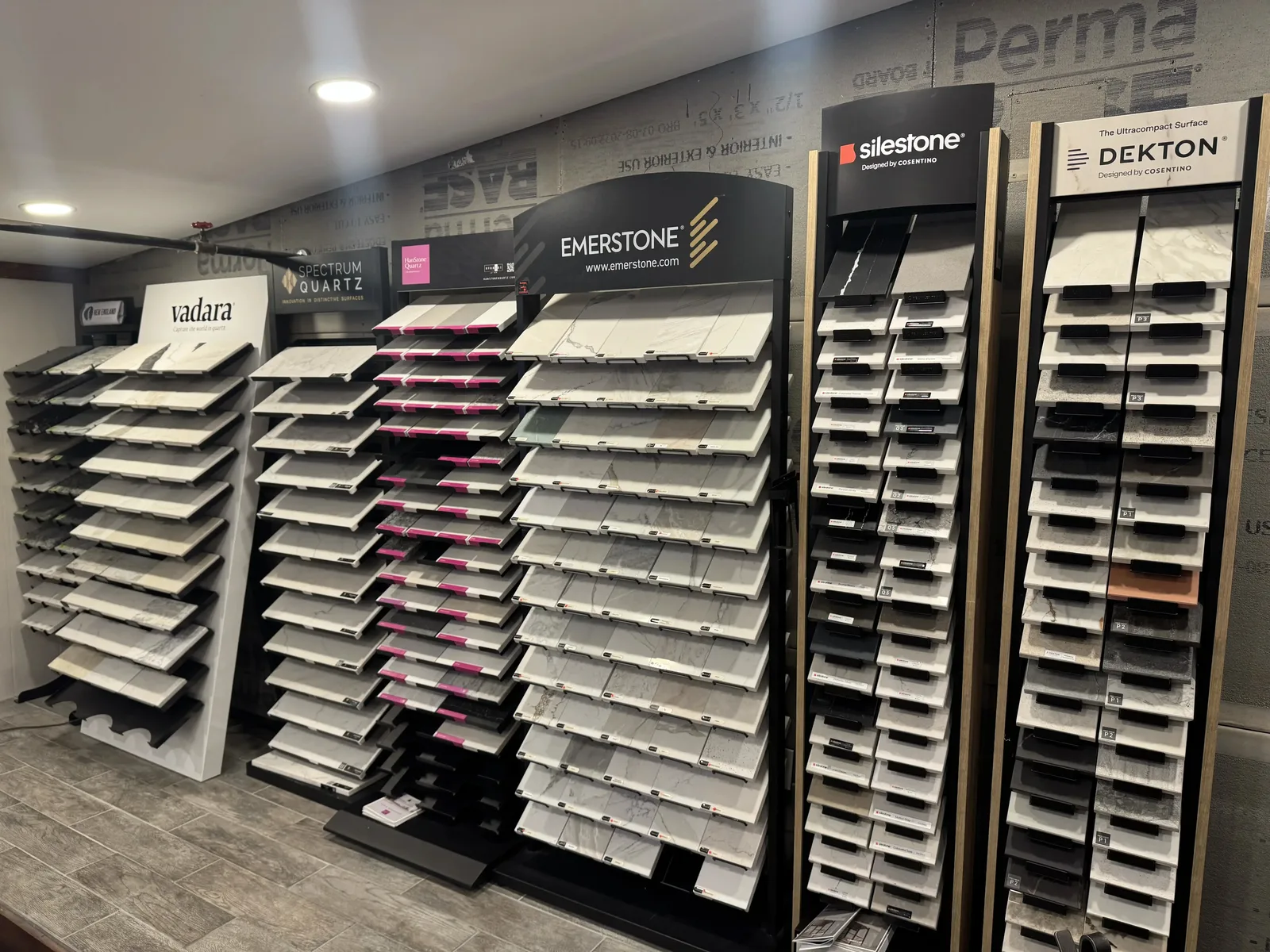
PoshHaus Stone showroom