If sustainability matters to your renovation, here's an honest look at which countertop materials actually deliver on that promise.

More homeowners are asking about the environmental footprint of their renovation choices, and countertops are a meaningful part of that conversation. Here's a genuinely honest breakdown of where different materials stand.
Recycled glass countertops are commonly made from 85% or more diverted glass waste — post-consumer bottles, industrial glass, even architectural glass — embedded in a cement or resin binder. Each slab is genuinely one-of-a-kind, hand-crafted with individually placed glass pieces, and the glass content itself is extremely hard and completely stain-proof. If sustainability is your primary driver, this is the most direct answer available.
Porcelain slabs are fired from natural clay, feldspar, and silica at extremely high temperatures. While the manufacturing process is energy-intensive, porcelain's exceptional durability and heat resistance mean it can last an extremely long time without replacement — and a countertop that never needs replacing is itself a sustainability win, regardless of how it was made.
Some quartz manufacturers, notably Cosentino's Silestone line under its HybriQ+ technology, now incorporate at least 20% recycled material and have meaningfully reduced crystalline silica content compared to older formulations — a genuine improvement both environmentally and for fabrication worker safety. Not all quartz brands have made this shift, so it's worth asking specifically if this matters to you.
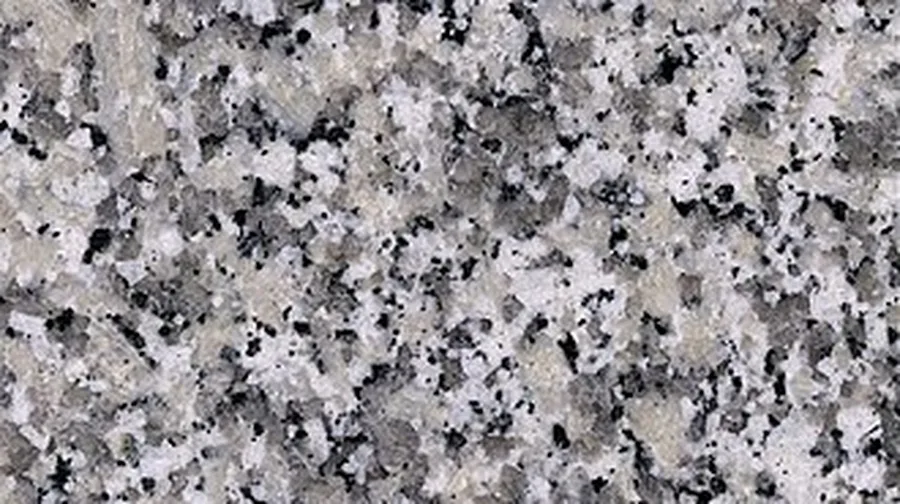
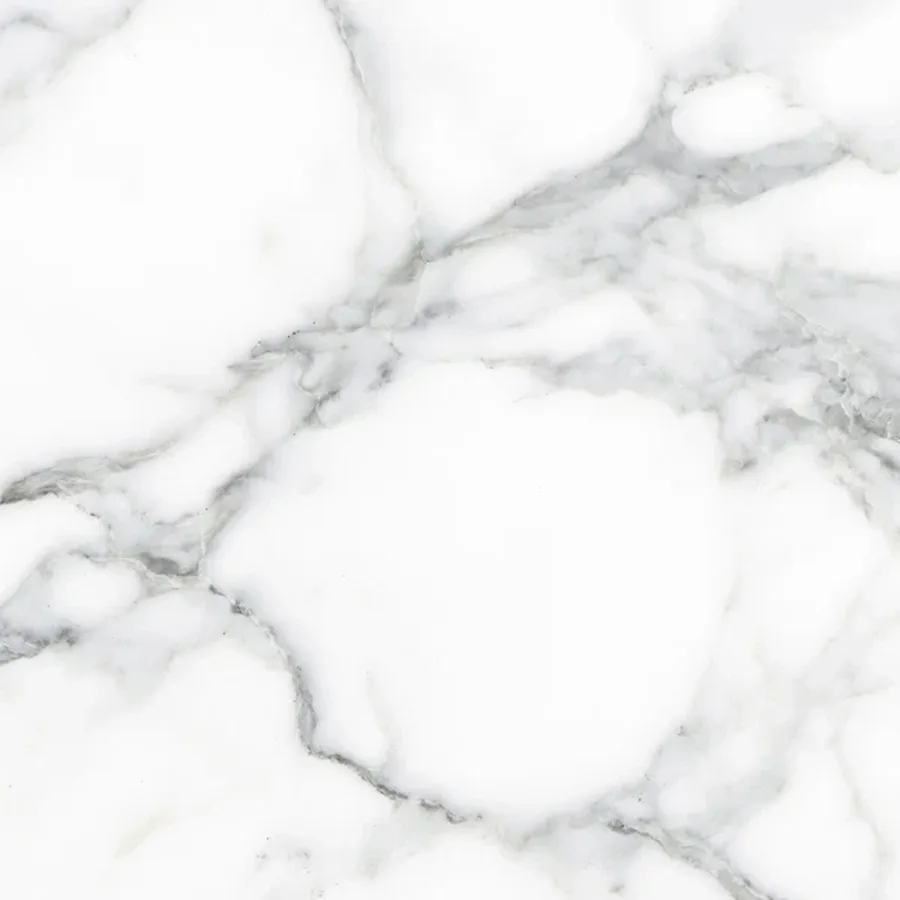
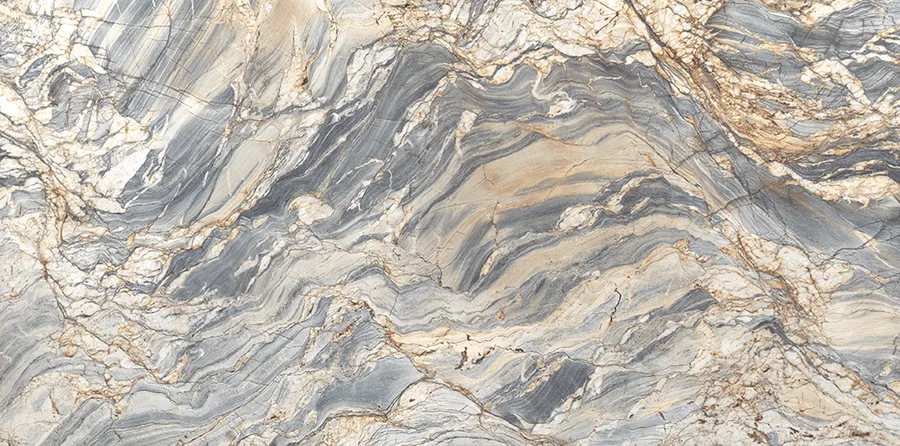
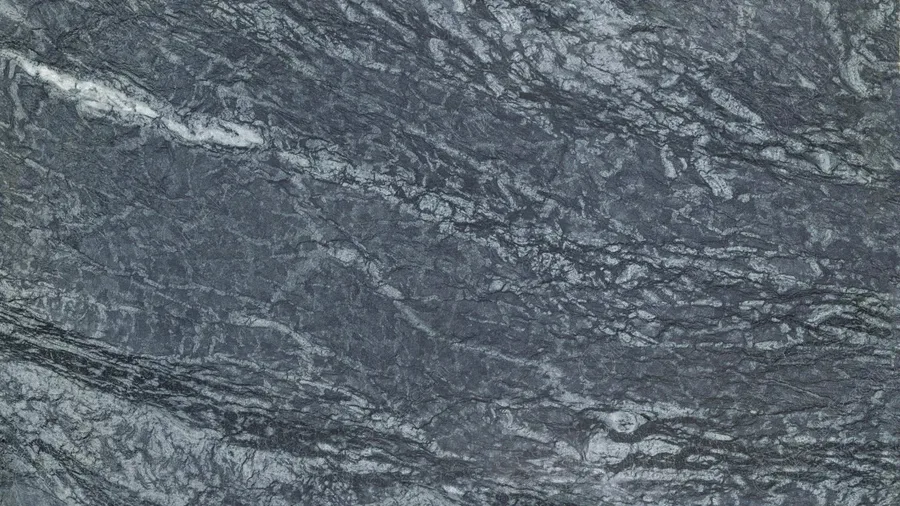
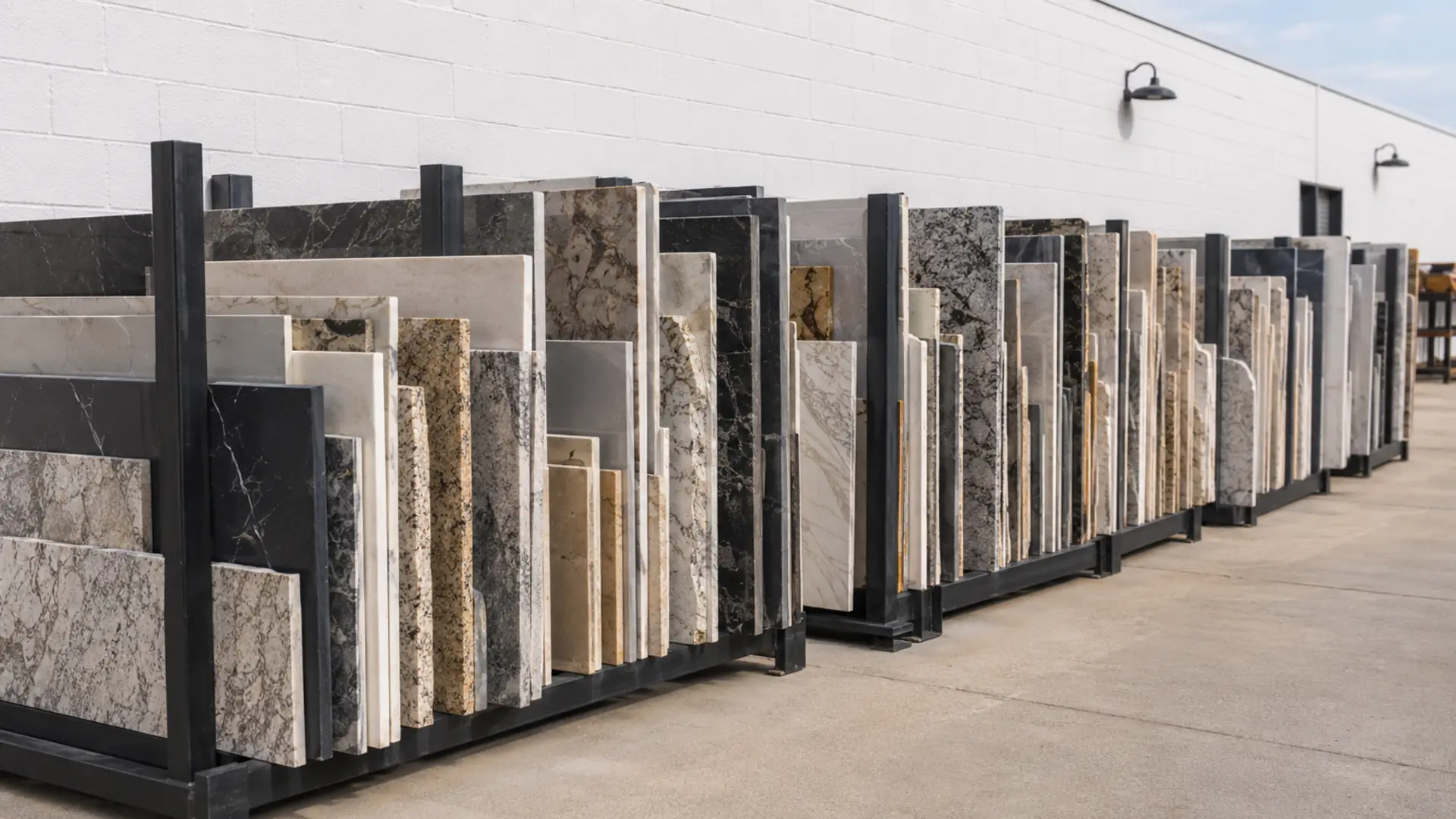
Granite, marble, and quartzite aren't manufactured at all — they're quarried, cut, and finished. There's a real environmental cost to quarrying and transport, but these materials also last essentially indefinitely with basic care, and many older homes still have original stone countertops performing perfectly decades later. Longevity is its own form of sustainability.
There's no single "most sustainable" countertop material — it depends what you're optimizing for: recycled content, manufacturing footprint, or sheer longevity. We're happy to walk through the specific tradeoffs of each option relative to your priorities at your consultation.