Two of the warmest, most characterful countertop materials available — and two very different philosophies about how a countertop should age.
Most countertop comparisons come down to hardness and maintenance schedules. This one is a little different, because soapstone and butcher block are both materials that people choose specifically because they change over time — the question is really which kind of change you want to live with.
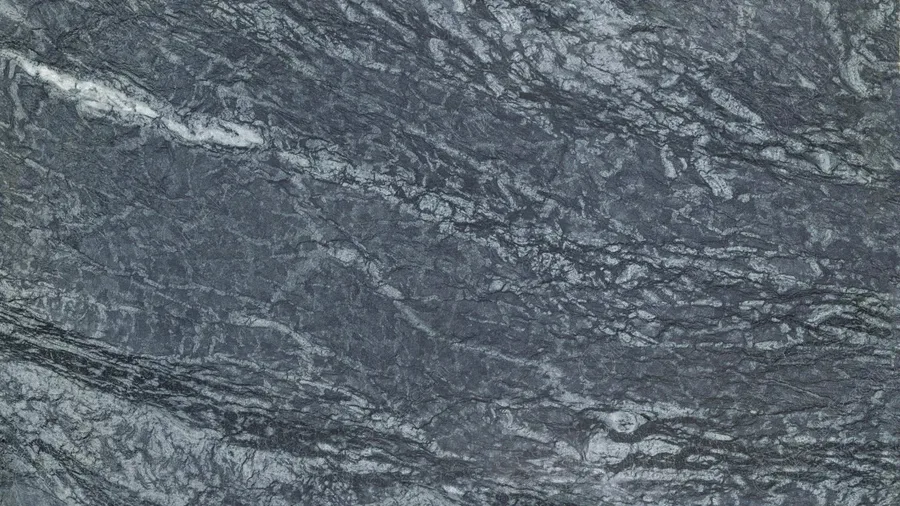
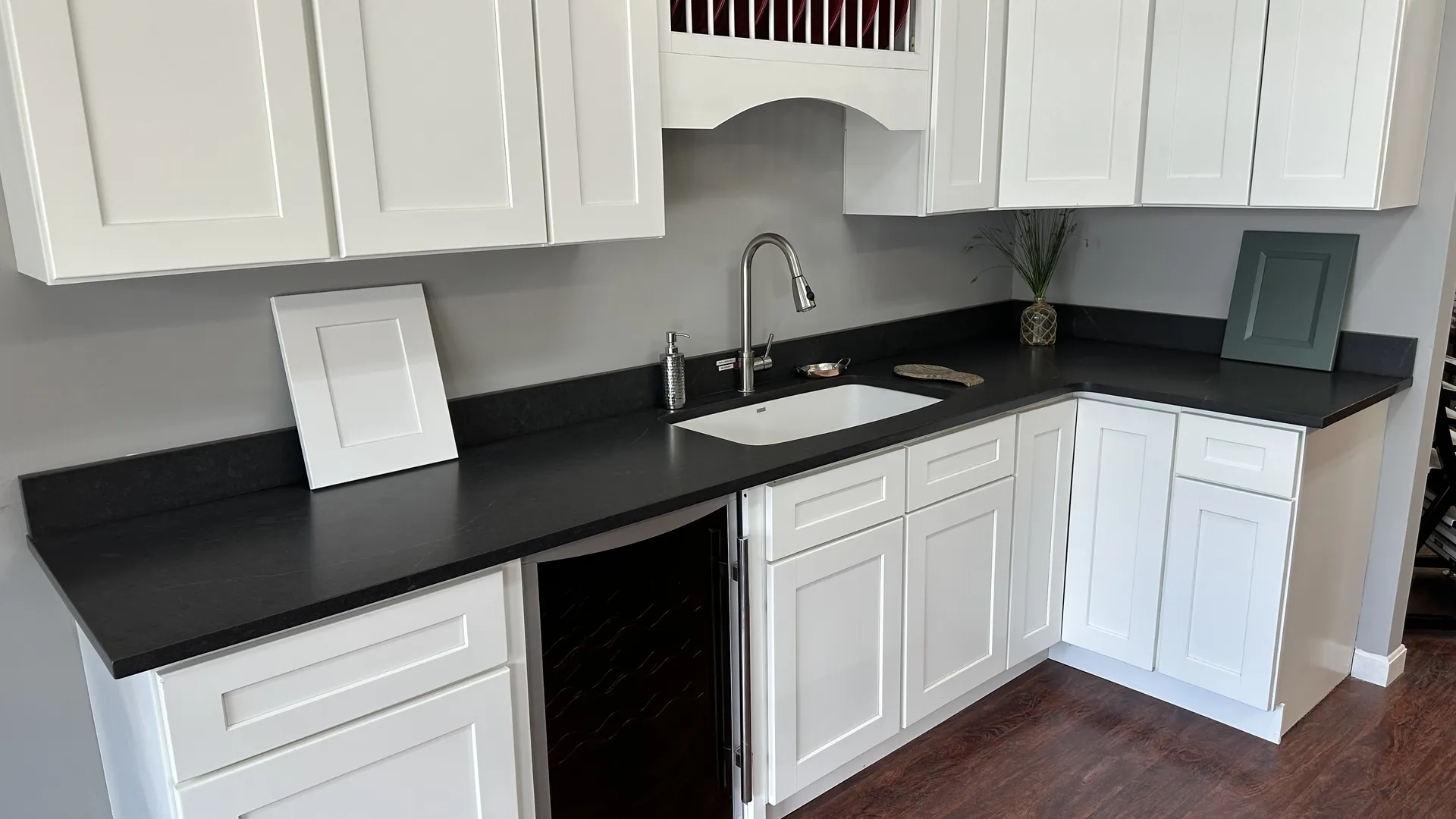
Soapstone is a metamorphic rock built around talc, giving it a naturally soft, soapy feel. It's genuinely non-porous straight out of the quarry — no sealing, ever — and it's exceptionally heat resistant, which is exactly why it's been used in wood stoves for generations. It will scratch with normal use, but most owners find those scratches simply blend into a deepening, darkening patina, especially with periodic mineral oil treatments. If you ever want a fresher look, light sanding restores it.
Butcher block is solid hardwood — commonly maple or walnut — and it brings a warmth no stone surface can replicate. Unlike soapstone, it needs regular oiling to stay sealed against moisture, and it scorches from hot pans in a way stone simply doesn't. But it's also the most repairable countertop material available: sand out scratches and stains yourself, reapply food-grade oil, and it looks refreshed.
Plenty of kitchens use soapstone or another stone around the sink and cooking zone, with a smaller butcher block section — often on an island — reserved specifically as a warm, tactile prep or serving surface. You don't have to pick just one for the whole kitchen.