The two most popular kitchen countertop materials, compared honestly — not just "both are great," but which one actually fits your kitchen.
If you've started shopping for kitchen countertops, you've probably noticed that granite and quartz dominate the conversation. Both are excellent, both are popular for good reason, and both get recommended constantly — which makes the actual decision harder, not easier. Here's how to think about it honestly.
This is the first thing to get straight: granite and quartz are both hard, durable, long-lasting materials. Neither one is "the good one" and the other "the compromise." The real differences are in how they're made and what that means for daily life.
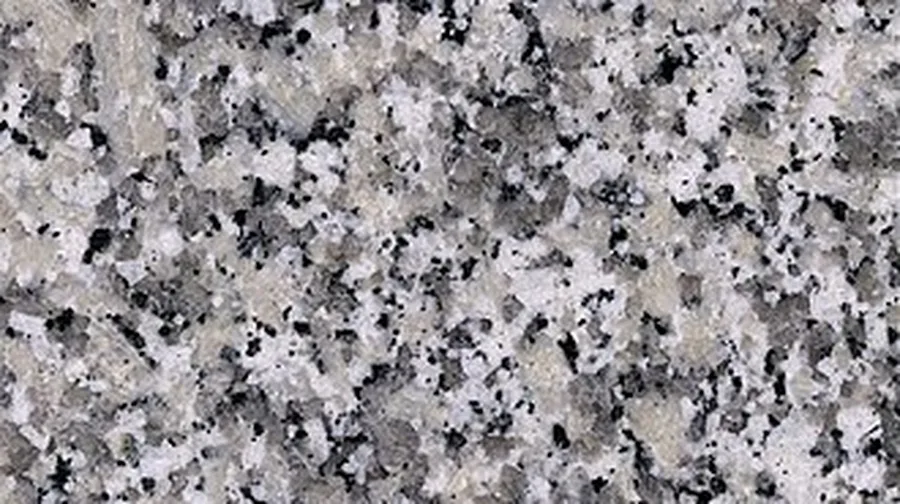
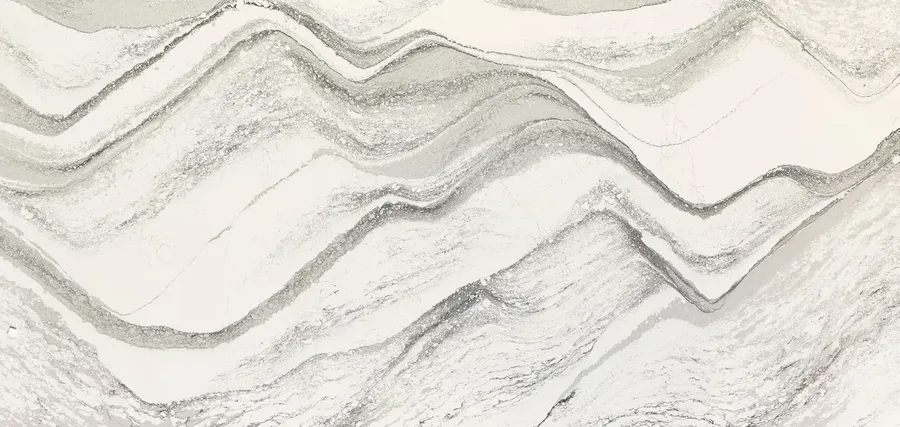
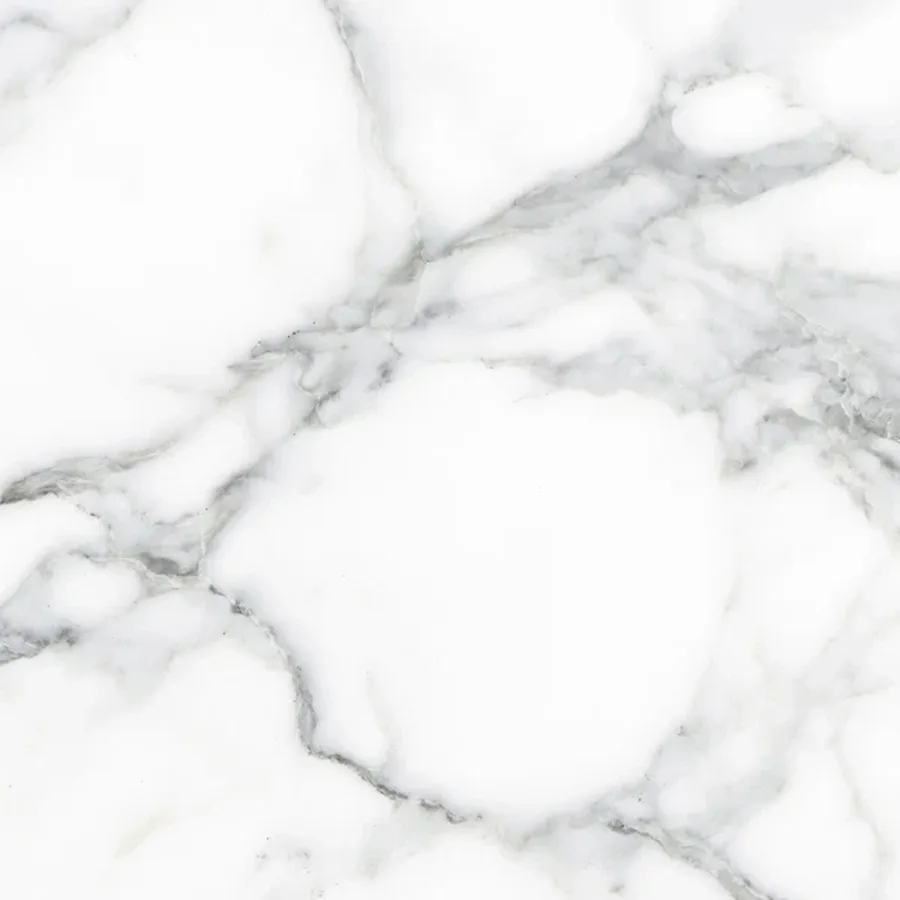
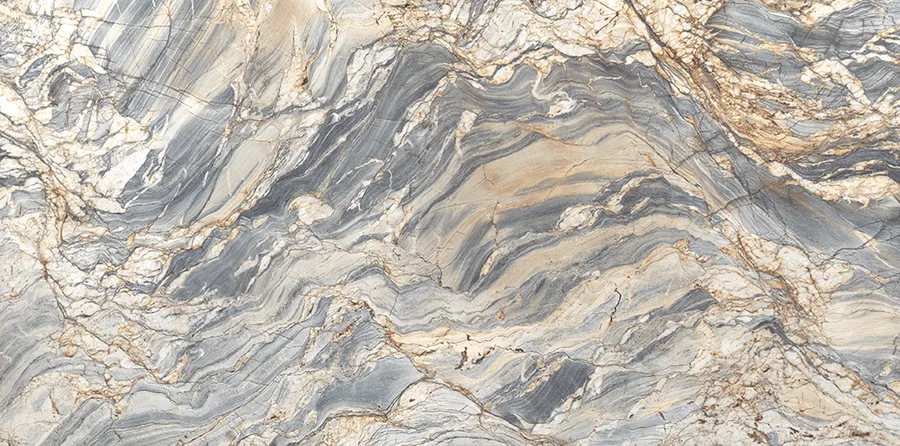
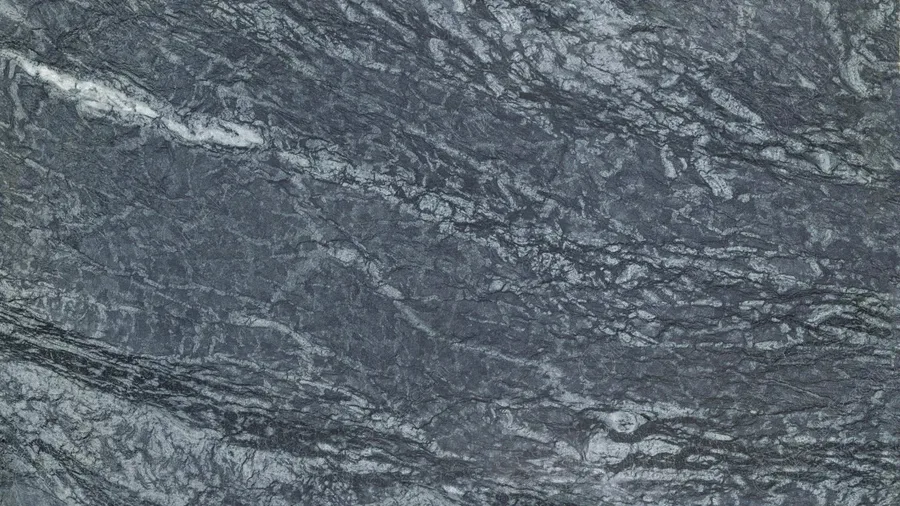
Granite is 100% natural stone, quarried and cut. Every slab is genuinely one-of-a-kind — no two look exactly alike, which is either a huge selling point or a mild inconvenience depending on how you feel about slab-matching. Quartz is engineered: roughly 90–95% crushed quartz mixed with resin, manufactured to a consistent color and pattern. You can order the same quartz color today or in five years and get a close match; you can't do that with granite.
Granite needs sealing, typically about once a year. It's a quick, inexpensive process, but it is a real task you have to remember. Quartz never needs sealing — it's non-porous straight out of the factory. If "one more thing to remember" is a genuine source of household friction for you, that alone might settle it.
Where granite pulls ahead is heat. Because it formed under real geological heat, a hot pan straight off the stove isn't a practical concern. Quartz's resin binder starts to react to sustained heat above roughly 300°F, so trivets matter more with quartz than granite.
If you want a genuinely one-of-a-kind slab, don't mind an annual sealing, and cook with a lot of direct-heat cookware, granite is the more forgiving choice. If you want zero maintenance, perfectly consistent color for a large island or multi-room project, and you're diligent about trivets anyway, quartz is very hard to beat.
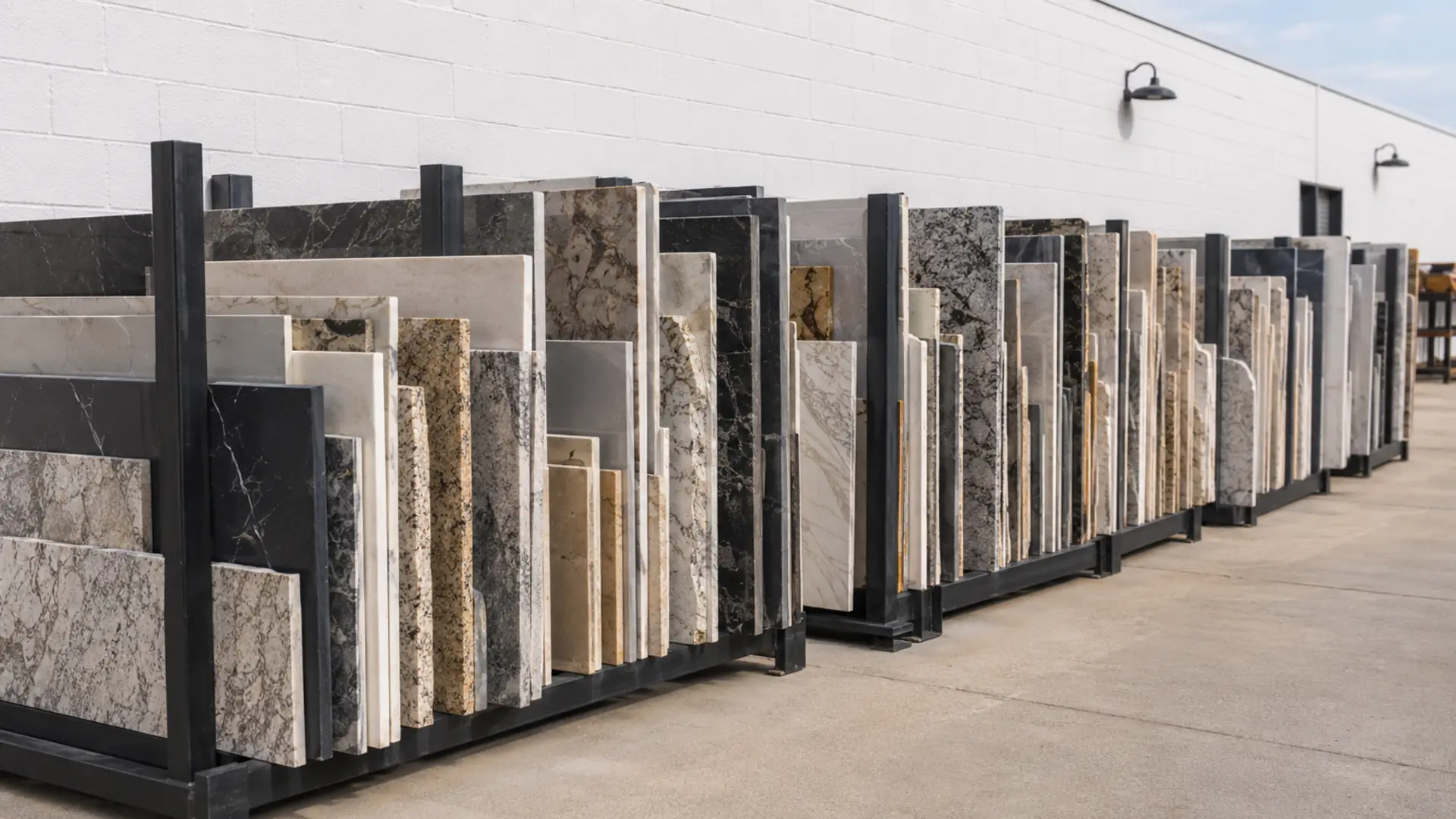
Honestly, most households would be happy with either. The deciding factor is usually the specific color and pattern you fall in love with in person — which is exactly why we recommend seeing actual slabs before committing to either material.